Silentbase logo
SILENTBASE
Volume III • 2026 Archive

The development logs: where craft meets code.

A transparency initiative documenting the friction, the experiments, and the quiet victories of independent mobile architecture.

Explore Applications Latest update recorded Jan 29, 2026 regarding haptic latency.

Selected Log Entries

UI Simplification
Visual Experiment • Jan 15, 2026

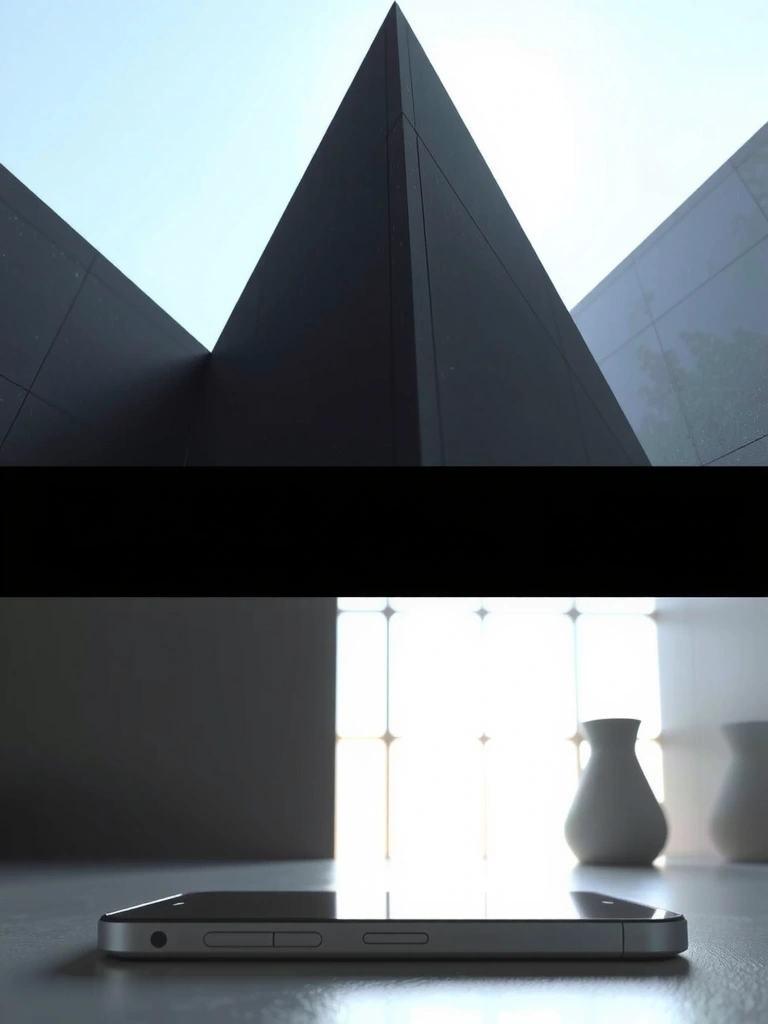
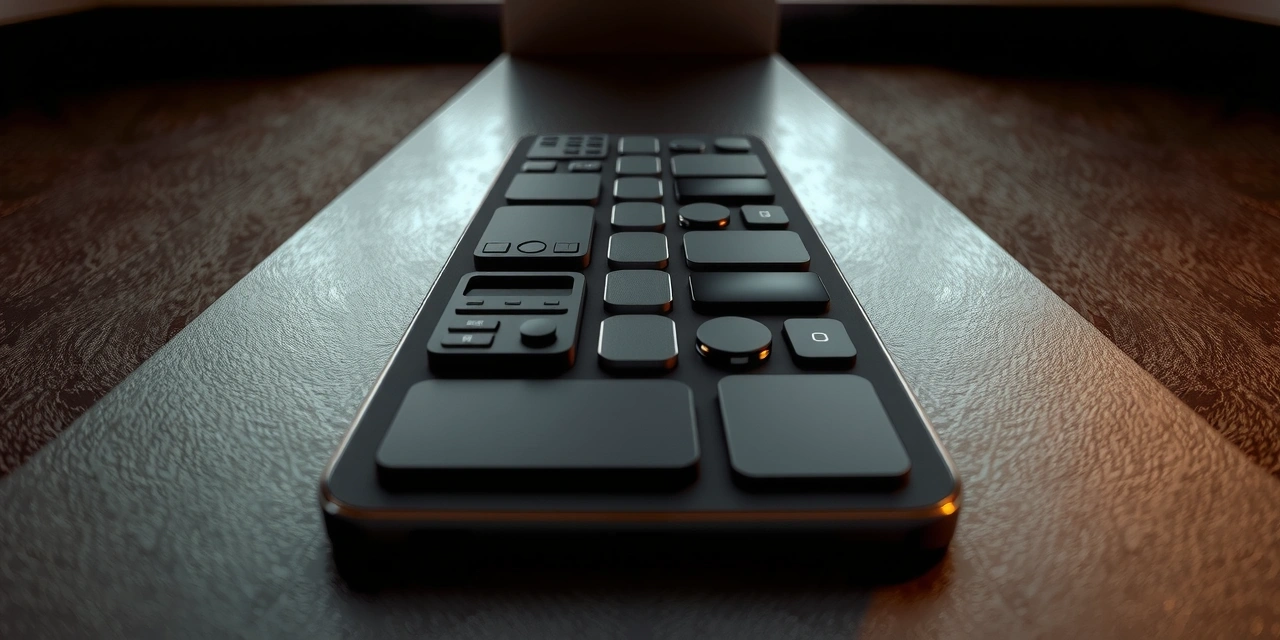
The Purge: Removing 12 redundant status indicators

We realized our HUD was shouting when it should have been whispering. By shifting from explicit icons to environmental cues, we reduced visual noise by 40% while maintaining player awareness. Status is now felt, not merely read.

Read full breakdown
The Pitfalls Rail: Lessons from the Trench

Over-Animation

Mistaking "life" for motion. We found that 300ms transitions fatigue the user during 2-hour sessions. We've pivoted to zero-duration color shifts for static menus.

Font Weight Inflation

Displaying light weights in dark rooms causes letter bleeding. We now dynamically swap to medium weights when device sensors detect low ambient light.

Sound Library Sickness

Relying on generic stock audio ruins immersion. Every button click in 'Silentbase' is a custom foley recording of antique brass sliders.

Development Philosophy

Trade-offs in Visual Fidelity

RT Shadows vs. Baked Maps

We experimented with real-time ray-traced shadows for dynamic lighting, but the frame rate stability on older hardware was unacceptable for our 60FPS target.

  • Constraint: Rural Italy mobile networks have high latency; asset size must stay low.
  • Benefit: 40% reduction in thermal throttling on flagship devices.
  • Mitigation: High-resolution texture atlases provide the illusion of depth without the GPU cost.
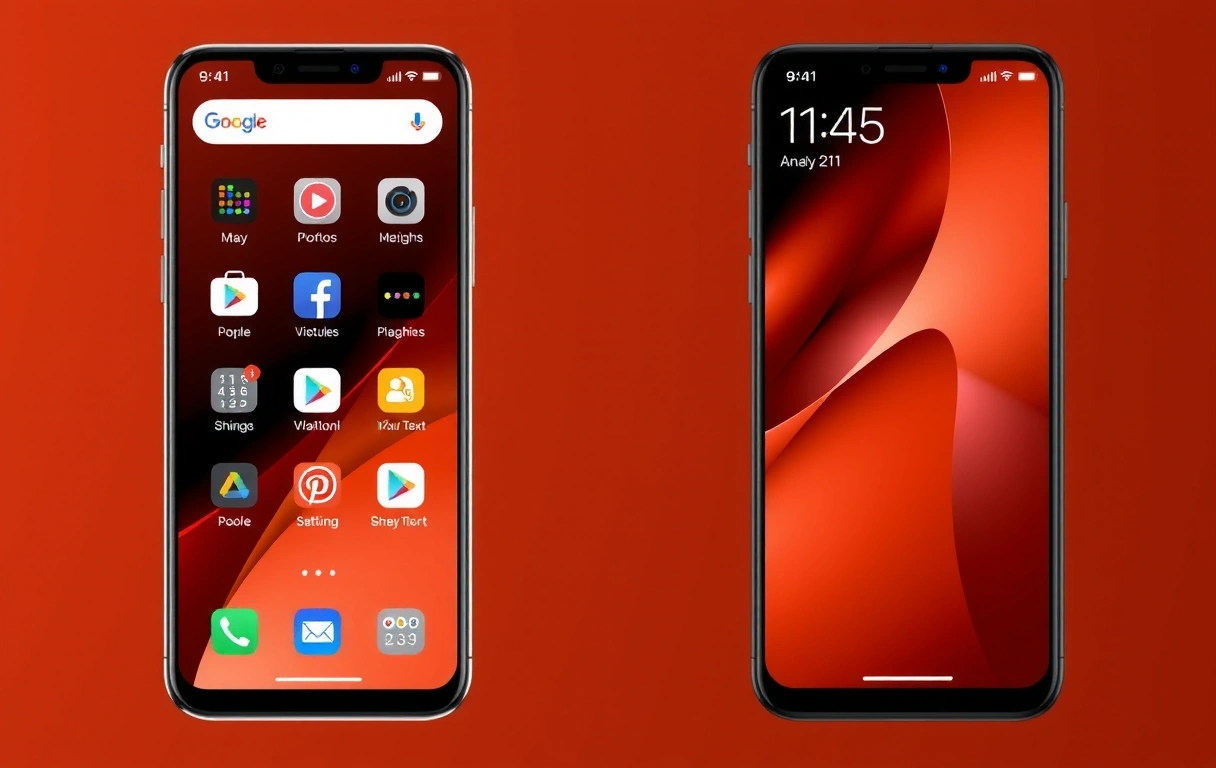
Shadow Comparison

Comparison A-04: Shadow Depth

The Ghost in the Machine: A UX Scenario

A user opens the application in a low-light environment at 11:00 PM. Instead of a bright splash screen, the system reads the light sensor and initializes a deep amber 'Rest Period' palette across the entire navigation framework.

This isn't a "night mode" toggle. It is an autonomous response to human fatigue. We prioritize ocular health over vibrant brand colors because an application that hurts to look at is an application that fails its user.

Deep Dive • Texture Atlas Optimization

When Performance is the Aesthetic Choice.

Visual fidelity is often misunderstood as raw pixel count. In our recent sprint, we discovered that by reorganizing our universal texture atlas, we could reduce draw calls by 30% without changing a single pixel of the artwork.

Texture Atlas Organization
Fig 1.2: UV Mapping efficiency was increased by stacking identical UI motifs and using a shared normal map across the entire asset library.

The problem was rooted in the inventory system—a complex, multi-layered UI that required separate textures for every item. By simplifying this into a radial menu that draws from a single procedural color map, we freed up 150MB of RAM.

"We stop often to ask if a feature adds weight or value. If the answer is weight, it's cut. No matter how beautiful it looks in a screenshot."
— Lead UX Architect

What does this mean for the user? It means the device stays cool. It means the battery lasts 15 minutes longer during an intensive session. It means the "Ice Noir" aesthetic isn't just a filter; it's an engineering philosophy of cold, calculated efficiency.

Evidence-Style Conclusions

Assumption:

High-end graphics require maximum battery drain and processor heat.

Reality:

Optimization is an art form. By bake-lighting 90% of our static environments, we achieve the same visual depth with 1/5th of the overhead.

What would change our view:

Consistent frame-drops on current flagship hardware would necessitate a complete art style overhaul toward flat vectors.

Follow the Archive

Curious about the next experiment?

Our journal updates twice monthly. For a look at the finished products of these experiments, visit our showcase.

Workbench
Crafted in Italy